What Is The Best Way To Spot The Oil Radiator That's Right For You
Oil Radiator Small Electric Heater Despite their lower watts, oil-filled radiators generally consume less energy than electric heaters. This is due to the diathermic oils they utilize will heat up and hold the heat for longer. The TRNS0505M from De'Longhi uses only 500W on its highest temperature setting, which means it can be one of the most efficient heaters for small spaces. It also comes with an easy to use thermostat dial that can be an absolute blessing for anyone who has issues with mobility or vision. Product Description Oil radiators are electric heaters that can be used in portable ways that plug into the standard outlet of a household. They operate by heating a reservoir of thermal oil that then heats the air in the room. The majority have a thermostat that can be adjusted to a desired temperature, and some include a remote control. The electrical element in an oil-filled heater is a coil comprised of metal resistive wire. When the radiator is turned on, the electrons whirl around in the coil, generating heat that warms the oil. The heat generated by the oil is then absorbed by the air, creating a cozy microclimate in the room. Oil-filled radiators consume less energy than baseboards due to the fact that they only heat the oil and not the air. They are also quieter, consequently a good choice for bedrooms and offices. oil filled electric radiator wall mounted Features A small electric oil heater is an easy method to heat the room. They are quiet and can be connected to the electricity of your home via an ordinary wall plug. They are easy to use, using simple digital controls, adjustable thermostats and programmable timers. They also come with advanced safety features such as overheat protection as well as a tip-over switch, and an automatic thermal shutoff. The radiator's oil is permanently sealed and doesn't require to be changed. Convection transfers heat from oil to a room via an electrical heating element located at the bottom of the heater. The radiator is a reliable method of heating your home, as it doesn't release harmful gases or burn fuel. The heating elements can vary between manufacturers, but they are made up of a coil of metal resistive wire inserted into the base. The brand new Rointe D Series WiFi electric radiator is equipped with smart energy management technology that lets you to manage your room's temperature and energy consumption from your smartphone or tablet. It integrates seamlessly with Amazon Alexa to provide a seamless and hassle-free experience. Other unique features include the 24-hour timer, front dissipation wing optimization to allow for natural air convection and low-consumption technology utilizing SMD electronic components. With a wide range of colours and finishes, you'll find the perfect one for your home. This range of radiators with oil-filled electric heating can also be used in workshops and offices in which the low levels of noise enable you focus and work without being interrupted. Specifications Oil-filled Radiators are portable electrical heaters that heat rooms with an internal reservoir of thermal oils. The electrical heating element inside the appliance is submerged in the oil, and when it operates, heat is transferred to the oil and into the room's air. The oil in the radiator doesn't require refilling and it isn't burned, making it an efficient energy saving solution for home use. The heaters can be installed on walls or freestanding and plug into the electricity of your household. They can also be an energy-efficient alternative to central heating systems because they consume less energy. The radiators are usually measured in kilowatt hours (kWh). You can estimate how much power is consumed by radiators by multiplying the power rating by its number of hours used each day. A built-in thermostat and mechanical control let you choose the temperature you prefer and overheating protection makes sure that the heater shuts off immediately if the internal temperature becomes too high. The heater is easy to move and put away when not in use due to a carry handle, castors, and cord storage. The radiators that are filled with oil are more secure than central heating systems as they do not expose heating elements. If the radiator is leaking it is best to contact an expert for a re-fill. This is not something you can attempt by yourself. Leaks of oil can be dangerous since it exposes the heating element to the air and could trigger fire. Product Warranty If a radiator fails it can lead to numerous issues in the vehicle. It is essential that customers be aware of how radiators work and how it can affect its durability. This knowledge will help drivers make better decisions about their maintenance and repair expenses. The radiator is a complex component that requires regular maintenance to ensure that it is operating efficiently. A failure of a radiator can lead to coolant leaks, which can damage other parts of the cooling system and cause engine issues. Radiator performance can also be affected by physical damage, thermostat issues and the accumulation of rust or sediment. Extended warranties are available for those who want to extend the warranty period of their radiators. These warranties could have different terms and conditions, based on the company offering them. When purchasing an extended warranty, it is important for customers to read the terms and conditions carefully to ensure they have the coverage they need. 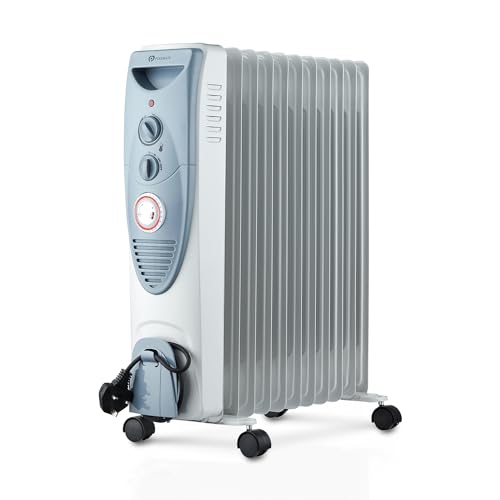 A radiator's construction can also influence its durability and vulnerability to damage. Different materials have varying heat resistance levels, some of which are more durable than others. Customers can study the radiator type they're considering to determine which type of material is best for their specific needs. For many warranties, including ones offered by manufacturers, regular inspections are required in order to maintain eligibility. If these guidelines are not followed, the warranty may be voided. It is crucial that customers are aware of their warranty terms and condition. If the radiator fails or becomes damaged, the owner should contact their retailer. Typically, they'll need to provide the serial number of the product and proof of purchase to get replacement or repair. Keep the original packaging in case you need to return the appliance. While it's uncommon for a radiator with oil to need refilling, if it happens, it should be done by an expert. It's not an easy task to fill an oil-filled radiator. It can be hazardous. Different manufacturers have their own proprietary fluids and fill levels. It is impossible for the average person to know how much to add.